The Filthy Thirteen
The real combat unit behind one of the most famous images of the American airborne experience in World War II.
A demolition section of the U.S. Army’s 506th PIR, 101st Airborne Division — remembered for their toughness, their D-Day bridge mission, and the Mohawk haircuts and war paint several wore before jumping into Normandy.
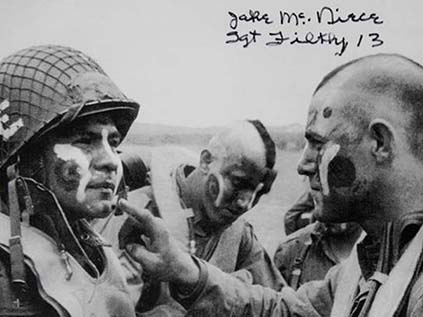
A genuine combat unit, not just a photograph
The Filthy Thirteen have become one of the most recognizable images of the American airborne experience in World War II: a small band of paratroopers photographed with shaved-strip “Mohawks” and painted faces on the eve of D-Day. Behind that image was a genuine combat unit — the 1st Demolition Section of Regimental Headquarters Company, 506th Parachute Infantry Regiment — trained for the dangerous work of destroying and seizing bridges to clear the way for the wider division.✓ Verified
This site explains who the men were, where they served, why the nickname endured, and — just as important — which parts of the popular story still need careful source review. Where a claim is uncertain, disputed, or based on a single memoir, we say so plainly and show our sources.
The questions readers ask first
We keep the legend — and label it
A real demolition section. A real nickname in print. Real combat service across Normandy, Holland, and Bastogne. Where the documents are firm, we state it plainly.
The once-a-week baths, the poached game, the “real Dirty Dozen” label — the mystique is part of why the unit is remembered, so we keep it in. But it always travels under the Well-attested or Legend tag, never mistaken for the documented record.
Missions, people, and sources
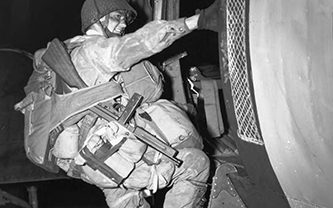
Normandy & D-Day
The demolition mission over the Douve River, and the fight toward Carentan.
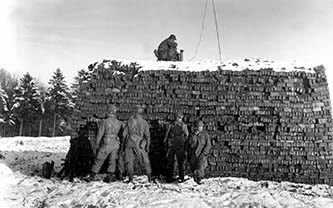
Bastogne & the Pathfinders
December 23, 1944 — the jump that helped resupply the encircled 101st.
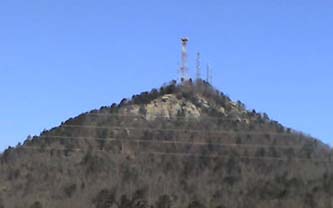
Timeline
From Toccoa training through the 1944–45 campaigns and into postwar memory.
Our editorial promise
This site does not invent details. Documented facts are stated plainly; memoir-based claims are framed “according to,” and disputed points are identified as such — with the sources shown.